Why Cannabis Needs Heat: Decarboxylation Explained
Learn what decarboxylation means, how THCA can convert into THC, and why smoking, vaping, and edibles work differently.
Decarboxylation in Plain English
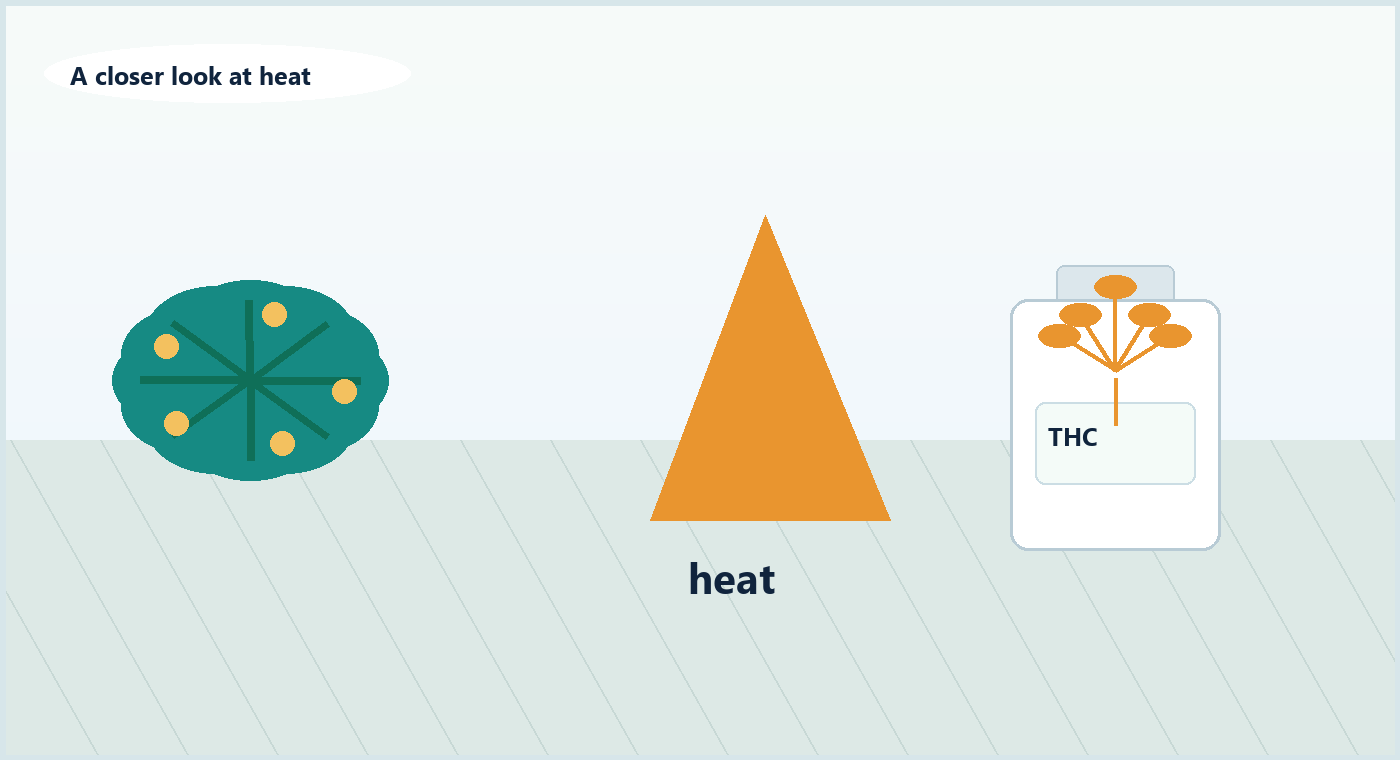
Often contains THCA.
Smoking, vaping, baking, or processing applies heat.
Some THCA can convert into THC.
THC is the cannabinoid most tied to intoxication.
Short Answer
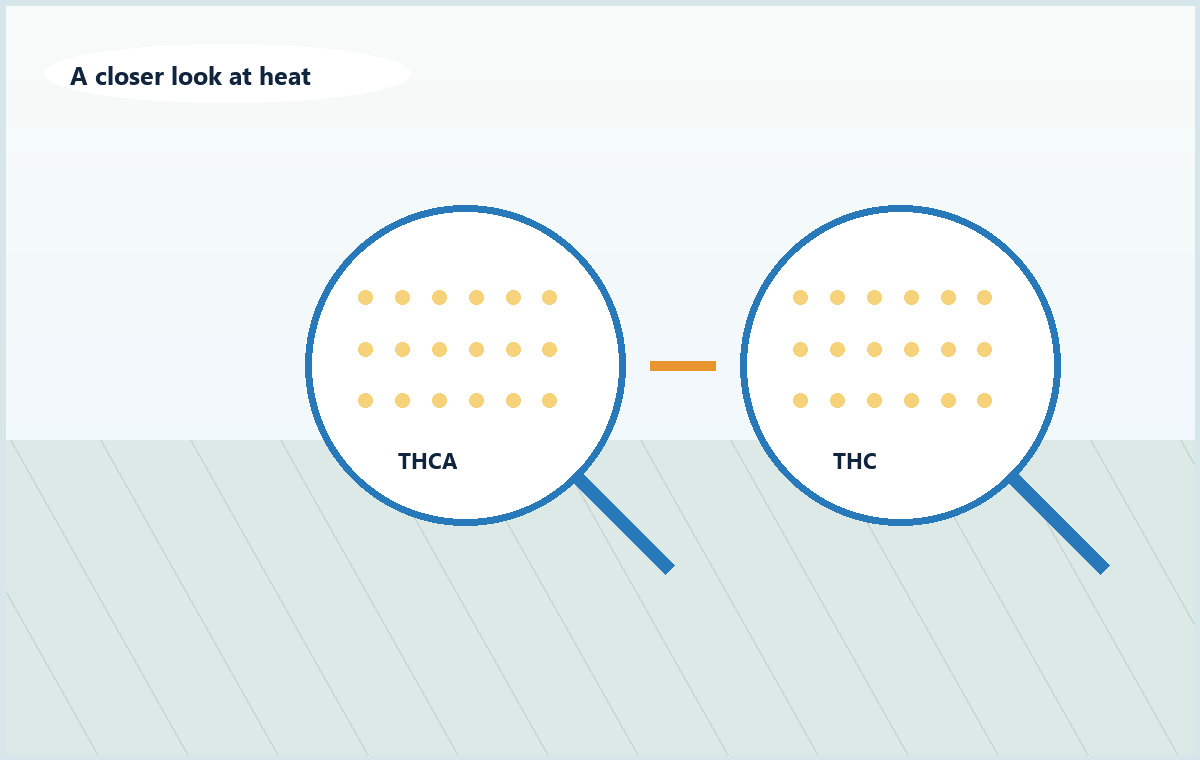
The word is decarboxylation. It means heat can change acidic cannabinoids such as THCA into active cannabinoids such as THC.
That is why raw cannabis flower is different from smoked, vaped, or properly heated cannabis.
THCA Comes Before THC
Cannabis flower naturally contains cannabinoids in acidic forms, including THCA. THCA is not the same thing as delta-9 THC.
When enough heat is applied, THCA can lose part of its chemical structure and become THC. THC is the cannabinoid most associated with marijuana intoxication.
In plain English: THCA is like the unheated form. THC is the form most patients are thinking about when they talk about feeling high from marijuana.
Smoking and Vaping
Smoking and vaping apply heat as the product is used. That heat helps convert THCA into THC while cannabinoids are inhaled.
This is one reason flower can feel active quickly when smoked or vaped.
Edibles Need a Heating Step
Eating raw cannabis flower is not the same as eating a properly made edible. Edibles usually require cannabis to be heated before or during preparation so cannabinoids are available in the intended form.
This is why homemade edible recipes often talk about "decarbing" flower before infusing butter or oil.
Example: sprinkling raw flower into food is not the same as using a dispensary edible or a properly prepared infusion. The heat step changes the chemistry.
More Heat Is Not Always Better
Too little heat may leave more THCA unconverted. Too much heat can degrade cannabinoids and terpenes.
Patients should not assume hotter means stronger. Commercial dispensary products should be made and labeled according to their product type.
Why This Matters for Labels
Flower labels may show both THC and THCA. A product can have low delta-9 THC before heating but still have a high total THC potential after heating.
That is also why THCA flower can be confusing outside the licensed medical marijuana system.
Simple Label Example
Imagine a flower label says:
- THC: 1 percent.
- THCA: 24 percent.
That does not mean the product is only a 1 percent THC experience when smoked or vaped. Because THCA can convert with heat, the total THC potential can be much higher than the already-active THC number.
Why Vapes and Edibles Look Different
A vape oil or edible label may not show THCA the same way flower does because the product may already be processed, extracted, heated, or formulated. That is why flower labels, edible labels, and vape labels should not be read exactly the same way.
Bottom Line
Decarboxylation is the heat-related process that helps explain why raw flower, smoked flower, vaped products, and edibles can work differently.
Source Note
Sources include CDC cannabis education, FDA cannabis-derived product guidance, Florida medical marijuana law, and published chemical profiling research on cannabis extracts before and after decarboxylation.
https://www.cdc.gov/cannabis/about/index.html
Helpful Next Steps
Move from this guide into practical Florida directory pages, doctor pages, and related patient resources.
Related Guides
Keep comparing Florida medical marijuana, hemp, product safety, and patient access topics.
THC, CBD, THCA, CBG, and CBN Explained
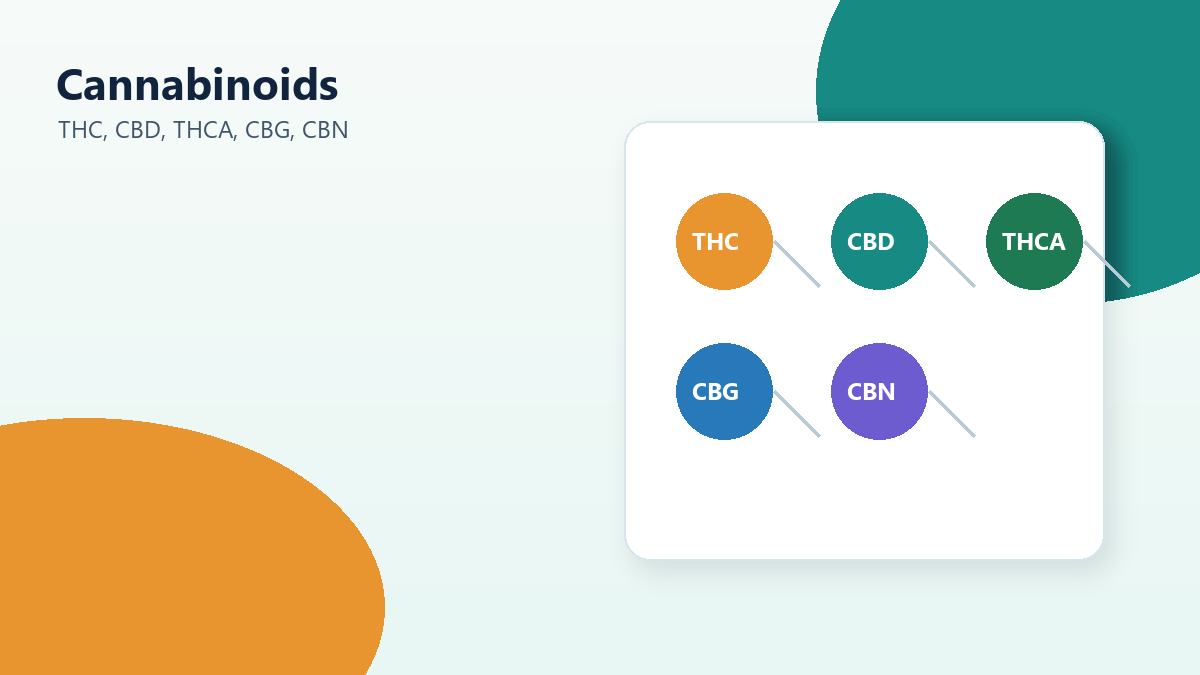
Learn the basic differences between THC, CBD, THCA, CBG, and CBN so Florida patients can better compare medical marijuana products.
THCA Flower vs Marijuana: What Is the Difference?
Learn how THCA flower compares with marijuana, why heating matters, and what Florida patients should know before buying cannabis flower.
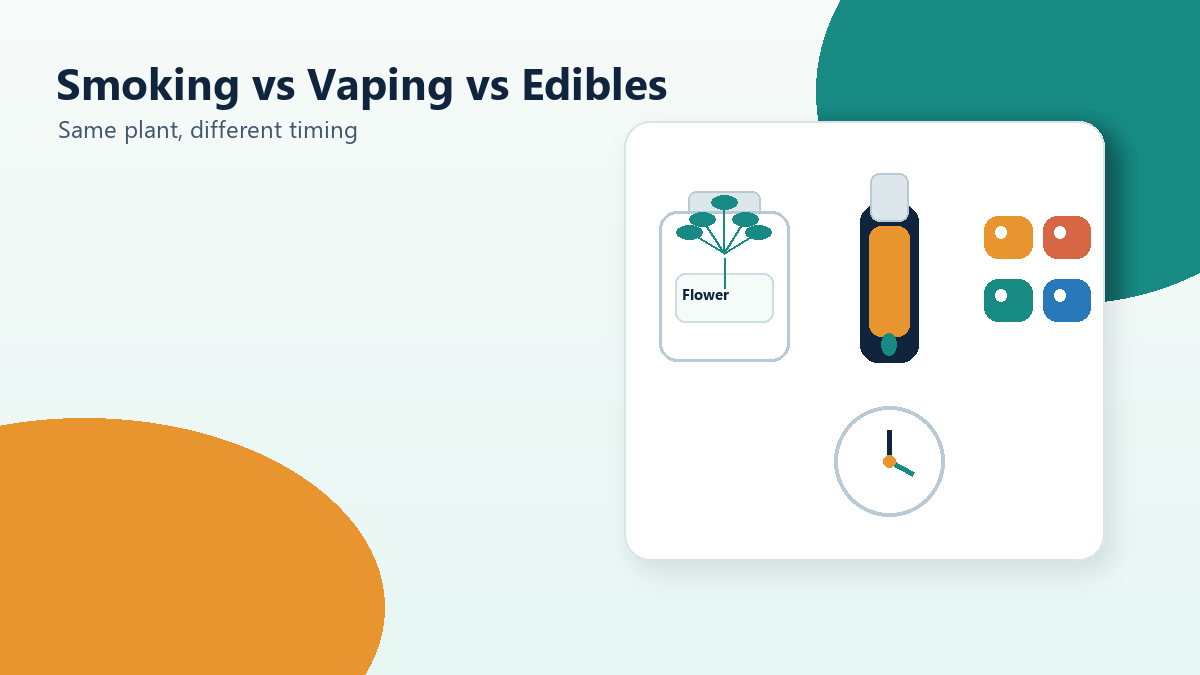
Smoking vs Vaping vs Edibles: What Controlled Studies Found
Compare smoking, dry-herb vaping, vape oil, and edibles using controlled human studies of THC delivery, timing, impairment, and limitations.