Smoking vs Vaping vs Edibles: What Controlled Studies Found
Compare smoking, dry-herb vaping, vape oil, and edibles using controlled human studies of THC delivery, timing, impairment, and limitations.
How the Same THC Can Feel Different
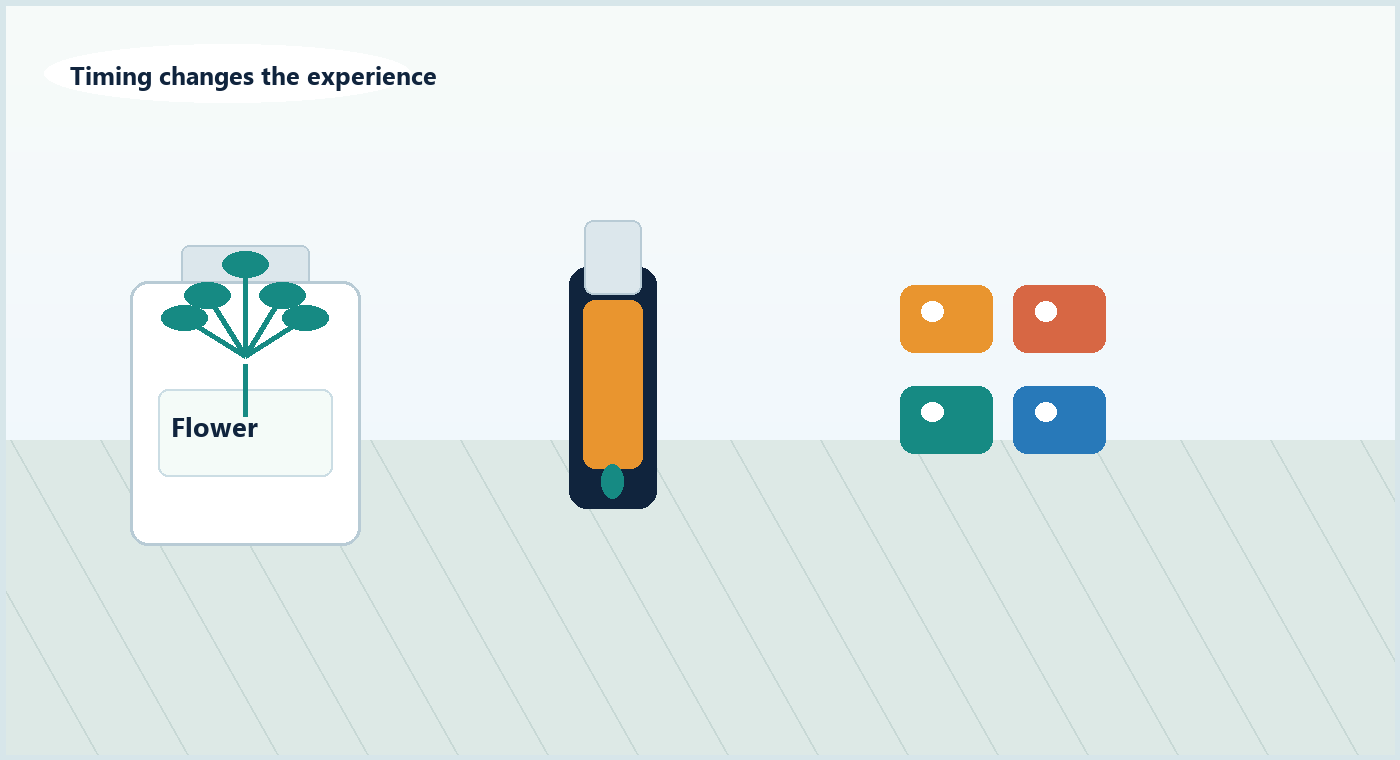
Fast onset, smoke exposure, shorter feedback loop.
Fast onset, often concentrated, product quality matters.
Slow onset, longer duration, easier to stack too soon.
Wait before taking more, especially with swallowed products.
Short Answer
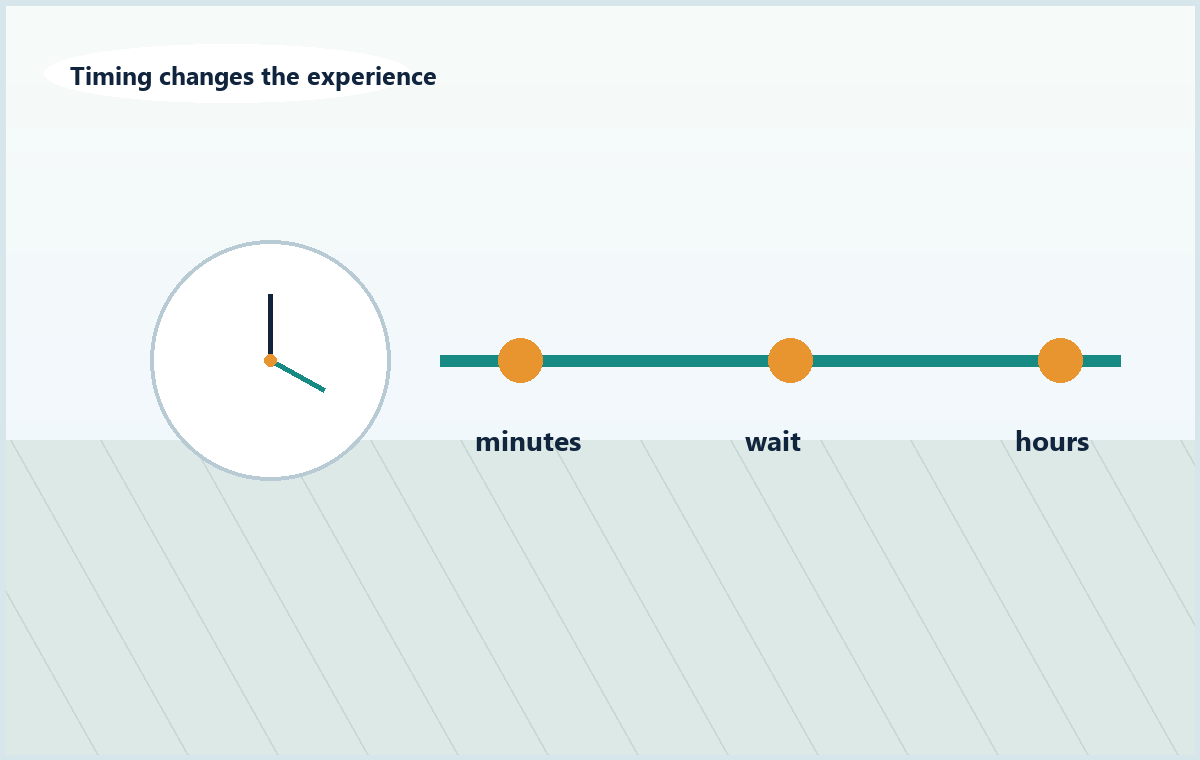
Controlled human studies support three careful conclusions. Inhaled THC generally reaches the blood and produces noticeable effects faster than swallowed THC. Swallowed THC is delayed, varies more, and is partly changed by the liver into another active chemical called 11-hydroxy-THC. A vaporizer can deliver the same starting amount of THC differently from smoking, so the amount put into a device is not necessarily the amount that reaches the blood.
The studies do not prove that smoking, vaping, or edibles are the best treatment for a particular ailment. They also do not make all vaporizers, vape cartridges, edibles, doses, or patients interchangeable.
The Best Direct Smoking-versus-Vaporizing Study
In a 2018 randomized, double-blind crossover trial, 17 healthy adults who had not used cannabis in the previous month completed six sessions. Each participant received cannabis containing 0, 10, or 25 mg THC by smoking and by dry-herb vaporization.
Both active doses produced drug effects. The 25 mg conditions produced pronounced cognitive and psychomotor impairment and more adverse effects. At equal THC amounts, vaporized cannabis produced stronger effects for most measures and higher peak blood THC concentrations than smoked cannabis.
This does not mean vaporization always produces a stronger effect. It means the dry-herb vaporizer used in this protocol delivered THC more efficiently than the smoking method used in the same protocol. Device temperature, plant material, inhalation pattern, losses to smoke, and user experience can all change the result.
The study was small, involved healthy infrequent users rather than patients treating a condition, and measured acute effects. It did not establish long-term safety or medical effectiveness.
Dry-Herb Vaporization Is Not the Same as a Vape Cartridge
The 2018 study heated cannabis flower in a laboratory vaporizer. It did not test a Florida dispensary oil cartridge, disposable pen, concentrate, or metered cannabis inhaler.
Those products differ:
- Dry-herb vaporizers heat plant material.
- Cartridges and disposable vapes heat formulated oil.
- Concentrate devices may heat resin, rosin, wax, or another extract.
- Metered inhalers may state cannabinoids per actuation and use a closed delivery system.
Oil concentration, ingredients, hardware, temperature, airflow, and device condition affect aerosol delivery. A cartridge labeled with a high THC percentage describes the oil, not a guaranteed dose per puff.
Smoking Adds Combustion
Smoking burns cannabis. The patient inhales cannabinoids along with smoke and combustion products. The amount absorbed can vary because some THC is destroyed by heat, lost in sidestream smoke, or left in unburned material.
Faster onset does not erase respiratory and cardiovascular concerns. The CDC says smoking any product, including cannabis, can harm the lungs and cardiovascular system. Florida law also requires smoking-product packages to warn that marijuana smoke contains carcinogens and may negatively affect health.
People with respiratory or cardiovascular conditions should not treat an internet comparison as a route recommendation. That question needs individualized medical review.
What the Oral-Cannabis Studies Found
A Johns Hopkins study gave 18 healthy adults brownies containing 10, 25, or 50 mg THC, with six participants assigned to each dose. THC generally became detectable in whole blood after about 0.5 to two hours. The timing was consistent with delayed subjective effects and behavioral changes.
A later crossover study had 17 healthy infrequent users consume brownies containing 0, 10, 25, or 50 mg THC across separate sessions. Ten milligrams produced noticeable subjective effects and increased heart rate but did not change the cognitive and psychomotor tests used in that study. The 25 and 50 mg doses produced pronounced effects and marked impairment compared with placebo.
Those results should not be turned into dosing advice. The participants were healthy adults, the products were standardized research brownies, and responses varied. A Florida edible, capsule, beverage, RSO product, or swallowed tincture can differ in formulation and absorption.
Why Oral THC Can Feel Different
Swallowed THC passes through the liver before reaching the rest of the body. The liver changes some THC into active 11-hydroxy-THC. Clinical reviews report higher levels of this chemical after swallowing THC than after inhaling it.
That helps explain the different time course and quality some people report with edibles, but it is not a complete explanation of anyone's experience. The dose, formulation, food, metabolism, tolerance, medicines, alcohol, and expectations also matter.
An edible can produce lower early blood THC than inhalation while still causing substantial and prolonged impairment. Blood concentration and felt effects do not move in a simple one-to-one pattern.
Why Equal Milligrams Are Not an Equal Comparison
The THC listed in flower, oil, or an edible package is not the same as the amount that reaches circulation.
With inhalation, burning losses, device efficiency, temperature, puffing, and breathing patterns change the delivered amount. With swallowed products, digestion and the liver change how much THC reaches the blood. With an edible, the labeled amount per serving and the actual serving eaten also matter.
This is why a 10 mg research brownie cannot be compared directly with 10 mg of THC placed in a vaporizer. The routes create different concentration-time curves and metabolite patterns.
What About Fast-Acting or Nano Edibles?
Emulsions and other delivery technologies may change how a swallowed or mouth-used product mixes and enters the body. Small human studies have found differences between specific formulas.
The result still belongs to the exact product that was tested. The words nano, water-soluble, rapid, or fast-acting do not guarantee one onset, amount absorbed, effect, or safety profile across brands. Check the intended route and directions instead of assuming a beverage behaves like inhalation.
Which Route Has the Best Medical Evidence?
There is no single answer across conditions. The evidence follows the exact studied product:
- Chronic-pain research has often studied standardized oral sprays, purified or synthetic oral cannabinoids, and a smaller number of inhaled products. Current evidence does not establish one best retail route.
- Multiple-sclerosis studies often involve oral cannabinoids or nabiximols, a standardized THC/CBD mouth spray that is not FDA-approved in the United States.
- FDA approvals for certain seizure disorders, chemotherapy nausea, and AIDS-related appetite loss involve specific prescription oral products, not dispensary edibles or vapes.
- Evidence for topicals and transdermals is a separate and much thinner literature.
Read the condition-by-condition delivery evidence guide before transferring a study result to a product menu.
A Safer Comparison Checklist
Before comparing smoking, vaping, or an edible, check:
- The exact route and product format.
- Total THC and CBD plus the amount per measured unit.
- Whether a vape uses flower, oil, concentrate, or a metered device.
- Ingredients, hardware, battery, and device instructions.
- The physician certification and registry route.
- Medicines, alcohol, lung or heart conditions, fall risk, and next-day responsibilities.
- How long the exact label says to wait before making another decision.
- Whether the evidence came from this formulation or only from a different cannabis product.
Use the timing guide and before-you-buy checklist with the label.
Bottom Line
Smoking, dry-herb vaporization, vape oil, and edibles can all deliver THC, but they do not deliver it in the same way. Inhaled products provide faster feedback and a sharp early exposure. Swallowed products are delayed, more variable, and shaped by liver metabolism. Devices can change delivery efficiency enough that equal starting amounts produce different blood levels and impairment.
The correct scientific question is not simply smoking, vaping, or edible. It is: which exact product, route, amount, device, patient, outcome, and study?
Source Note
Primary and official references used for this review include the Spindle smoked-versus-vaporized crossover trial, the related acute smoked-and-vaporized pharmacokinetic study, the Vandrey oral-cannabis pharmacokinetic study, the within-subject oral THC dose study, Health Canada's clinical cannabinoid pharmacokinetics review, CDC cannabis guidance, and Florida Statutes section 381.986.
How this page was reviewed
This guide was checked against controlled human studies of how cannabis products enter and move through the blood, current federal evidence reviews, FDA drug-approval information, official public-health guidance, and Florida law. It separates delivery and timing findings from treatment effectiveness, and it does not transfer results between unlike products.
No physician, pharmacist, or attorney review is implied. Personal medical questions belong with a qualified health professional, and current program requirements should be checked with the Florida OMMU.
Sources and verification references
Helpful Next Steps
Move from this guide into practical Florida directory pages, doctor pages, and related patient resources.
Compare product formats
Use format comparisons before treating two products as the same value.
Review concentrate and vape guides
Check oil type, hardware, storage, COA, and concentrate terms.
Learn deal math
Connect package size, THC mg, units, and final price to value comparisons.
Related Guides
Keep comparing Florida medical marijuana, hemp, product safety, and patient access topics.
Cannabis Delivery Methods by Condition: What Human Studies Actually Tested
See which swallowed, inhaled, mouth-spray, topical, and prescription cannabinoid products researchers studied for pain, spasticity, nausea, seizures, and sleep.
Ways to Use Medical Marijuana in Florida: How the Route Changes the Effects
Learn how inhaled, swallowed, sublingual, topical, and transdermal cannabis differ in absorption, timing, evidence, and Florida route checks.
How Long Does Medical Marijuana Take to Work?
How fast does medical marijuana work? Compare inhaled, edible, capsule, tincture, concentrate, and topical timing—and what to record before taking more.