How Long Does Medical Marijuana Take to Work?
How fast does medical marijuana work? Compare inhaled, edible, capsule, tincture, concentrate, and topical timing—and what to record before taking more.
Timing Is Part of the Dose
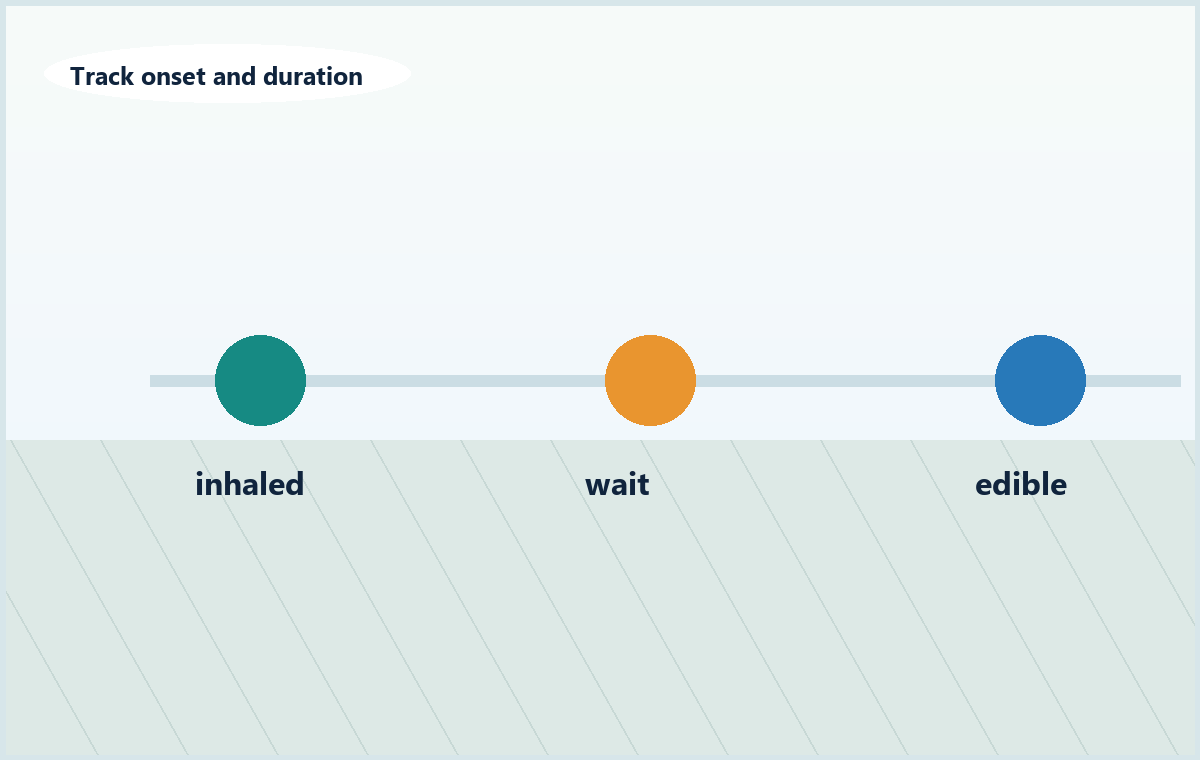
Effects may begin quickly, so pause before continuing.
Effects may be delayed, so avoid taking more too soon.
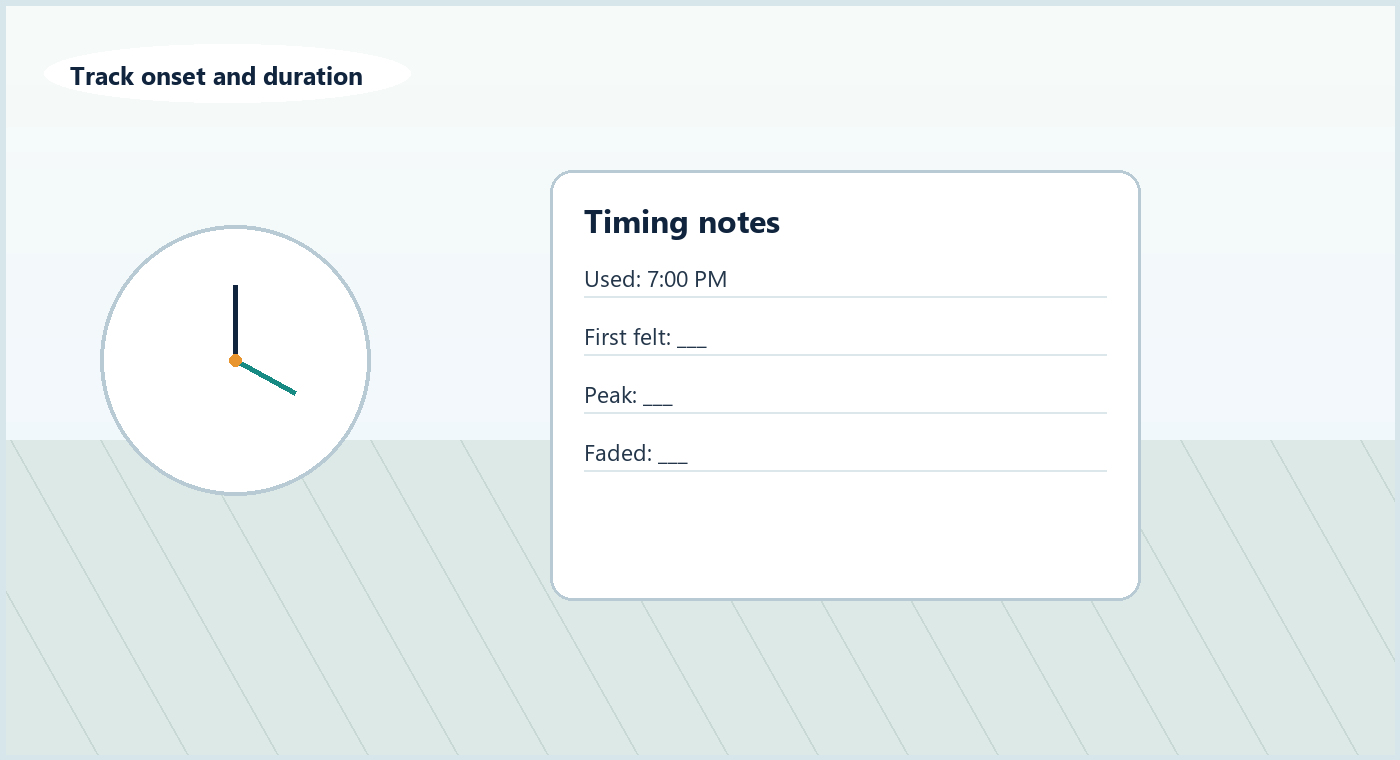
Write down start time, peak time, and fade time.
Short Answer
How quickly medical marijuana is felt depends heavily on the route and product. Inhaled products usually provide faster feedback than swallowed products. Edibles and other swallowed products can be delayed and may last longer. Oral liquids, concentrates, and topicals need to be interpreted according to their labeled route and instructions.
There is no single wait time that fits every patient and product. Record the route, labeled amount, time used, and package instructions, then follow your qualified physician's guidance before taking more.
Quick Route Comparison
- Smoking or vaping: Usually faster feedback because the product is inhaled. Exact onset and intensity still vary.
- Edibles: Delayed compared with inhaled products. The CDC says intoxicating effects from edible cannabis may take 30 minutes to two hours to be felt, and effects can last longer than expected.
- Capsules or tablets: Swallowed products generally have delayed feedback similar to other oral products.
- Tinctures and oral liquids: Timing depends on the formulation, labeled route, and whether the product is used in the mouth or swallowed. Do not assume every bottle works the same way.
- Concentrates: Timing follows the route. An inhaled concentrate and a swallowed concentrate product are not interchangeable.
- Topicals and transdermal products: Formulas and intended use differ. Check the label instead of assuming every skin-applied product is local or non-intoxicating.
For a format-by-format overview, read Smoking, Vaping, and Edibles: What Is the Difference?.
Smoking and Vaping
Inhaled products often produce noticeable feedback sooner than swallowed products, but that does not create a universal number of minutes or inhalations for safe use. Device, product concentration, inhalation, tolerance, and other factors can change the response.
Use the labeled product details and physician guidance. Pause instead of continuing automatically, and do not drive or operate machinery while impaired.
Edibles
Edibles deserve extra patience because the delay can lead someone to take more before the first serving is fully felt. The CDC's cannabis poisoning guidance says edible cannabis can take 30 minutes to two hours to produce intoxicating effects. Timing can vary with the amount, food in the stomach, medicines, alcohol, and other factors.
Check the package for serving size and THC amount per serving. Do not rely on the size of a gummy, chocolate, or baked item as a measure of strength. Store cannabis edibles away from children and pets and separate from ordinary food.
Capsules and Tablets
Capsules and tablets are swallowed, so immediate feedback should not be expected. Verify the amount per unit, package directions, and whether other active ingredients are present.
If the label, physician instructions, and your past notes do not answer a redosing question, ask a qualified physician or pharmacist rather than guessing.
Tinctures and Oral Liquids
The word tincture does not establish one exact route or onset. Some products have instructions for use in the mouth; others may be swallowed. Follow the specific label and do not transfer timing assumptions from one product to another.
Record the product, labeled amount, route used, and time. If the instructions are unclear, verify them with the dispensing MMTC or a qualified health professional before use.
For focused answers, read sublingual cannabis versus swallowing tincture, edibles with food or on an empty stomach, and fast-acting versus regular edibles. These pages explain the human studies without turning one research result into a dosing rule.
Concentrates
Concentrate describes a product category, not a timing rule. Inhaled concentrates may provide faster feedback, while a concentrate used in a swallowed product can be delayed. Concentration and labeled amount also matter, so product form and route should be recorded together.
Topicals and Transdermal Products
Skin-applied products can have different formulations and intended uses. A topical marketed for local use should not be assumed to work like a transdermal product, and neither should be interpreted without its label.
Confirm ingredients, directions, warnings, intended area, and whether the label describes local or systemic delivery. Ask a qualified health professional about use on broken skin, interactions, or symptoms that need medical evaluation.
Before Deciding It Did Not Work
Check these details before taking more:
- Which route did you use?
- What exact product and batch did you use?
- What labeled amount and unit did you take?
- What does the package say about serving size and use?
- What time did you take it, and what time is it now?
- Did you eat, drink alcohol, or use another substance?
- Are medicines or health conditions part of the situation?
- What did your qualified physician advise for this route?
Use the Florida product-label guide to confirm units and serving information. The start low, go slow guide provides a simple tracking framework, but it does not replace personal instructions from a qualified physician.
Make a Timing Note
For each product, record:
- Product name, brand, route, and batch.
- Labeled THC/CBD amount and the amount used.
- Time used.
- First noticeable change.
- Strongest point, if clear.
- When the effects faded.
- Food, alcohol, other substances, and medicines that may matter.
- Desired effects and unwanted effects.
This record is more useful than relying on a product category alone. Bring it to a qualified physician when discussing timing, unwanted effects, or whether a route fits the treatment plan.
If Someone May Have Taken Too Much
Do not drive. If someone has severe symptoms, is in immediate danger, or is difficult to wake, call 911. In the United States, Poison Control is available at 1-800-222-1222 for guidance about a possible poisoning. Keep the package available so responders can see the product and labeled amount.
Bottom Line
Route determines the kind of timing to expect, but the exact product, labeled amount, patient, and circumstances still matter. Swallowed products require particular patience. Use the label, physician guidance, and a written timing record before deciding whether to take more.
Source Note
Official references used for this refresh include CDC cannabis poisoning guidance, NCCIH cannabis and cannabinoid information, FDA cannabis consumer information, and Florida Statutes section 381.986.
How this page was reviewed
This guide was checked against controlled human studies of how cannabis products enter and move through the blood, current federal evidence reviews, FDA drug-approval information, official public-health guidance, and Florida law. It separates delivery and timing findings from treatment effectiveness, and it does not transfer results between unlike products.
No physician, pharmacist, or attorney review is implied. Personal medical questions belong with a qualified health professional, and current program requirements should be checked with the Florida OMMU.
Sources and verification references
Helpful Next Steps
Move from this guide into practical Florida directory pages, doctor pages, and related patient resources.
Compare product formats
Use format comparisons before treating two products as the same value.
Review concentrate and vape guides
Check oil type, hardware, storage, COA, and concentrate terms.
Learn deal math
Connect package size, THC mg, units, and final price to value comparisons.
Related Guides
Keep comparing Florida medical marijuana, hemp, product safety, and patient access topics.
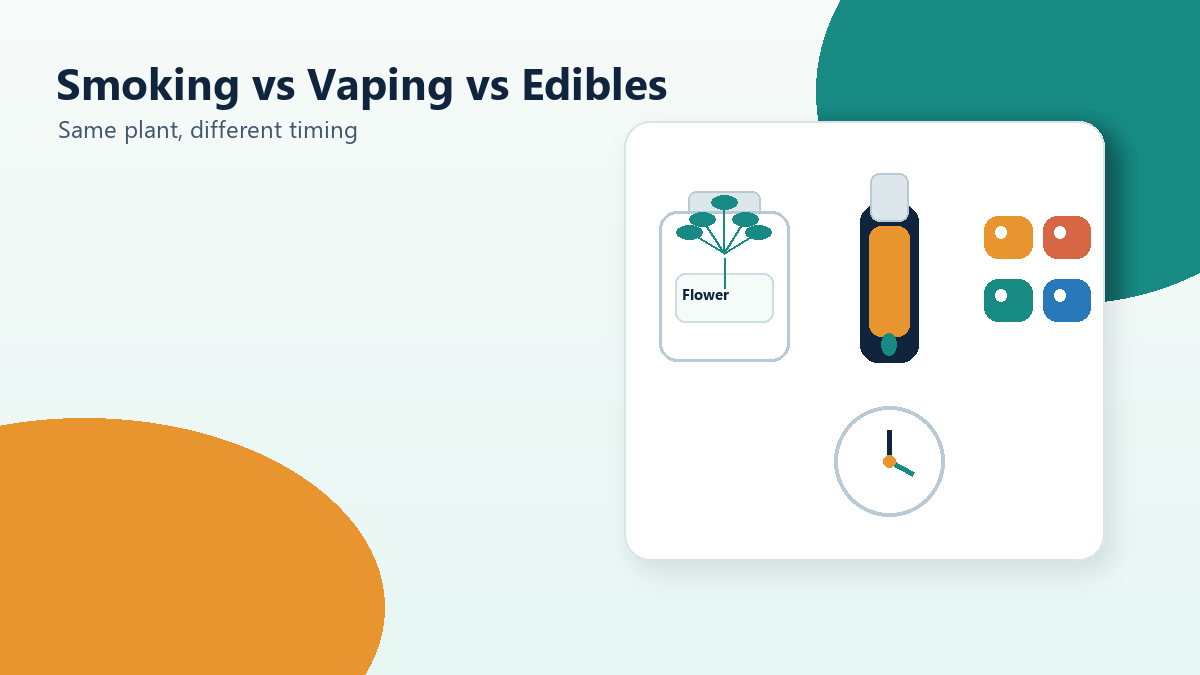
Smoking vs Vaping vs Edibles: What Controlled Studies Found
Compare smoking, dry-herb vaping, vape oil, and edibles using controlled human studies of THC delivery, timing, impairment, and limitations.
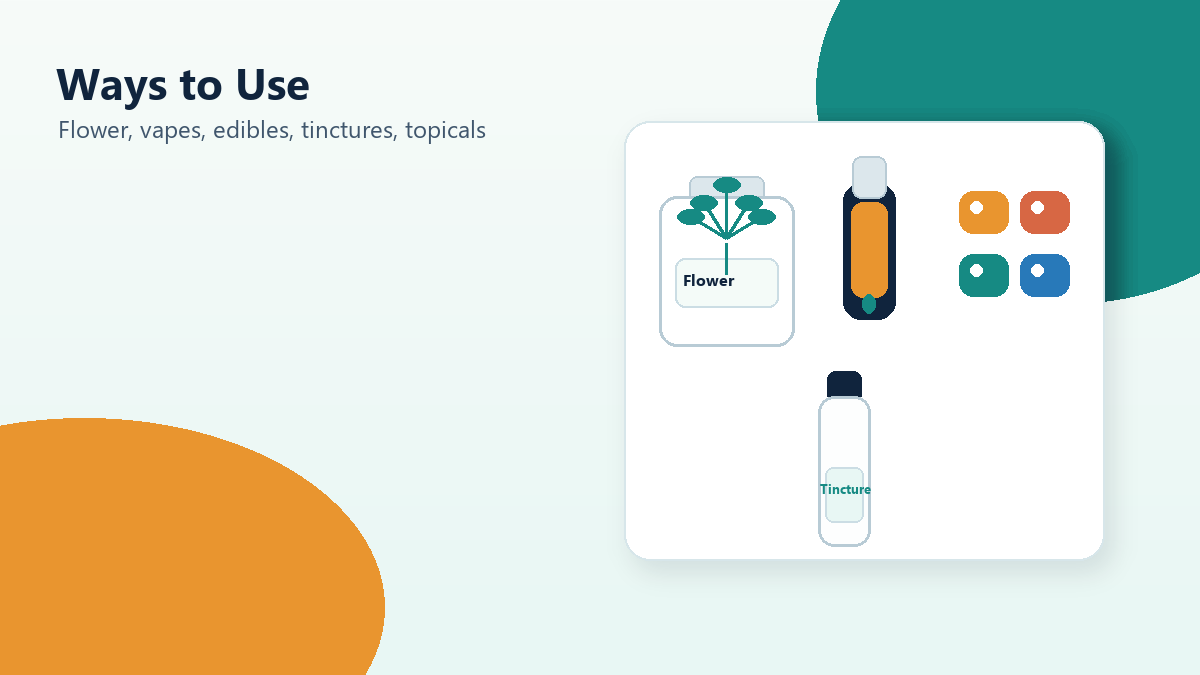
Ways to Use Medical Marijuana in Florida: How the Route Changes the Effects
Learn how inhaled, swallowed, sublingual, topical, and transdermal cannabis differ in absorption, timing, evidence, and Florida route checks.
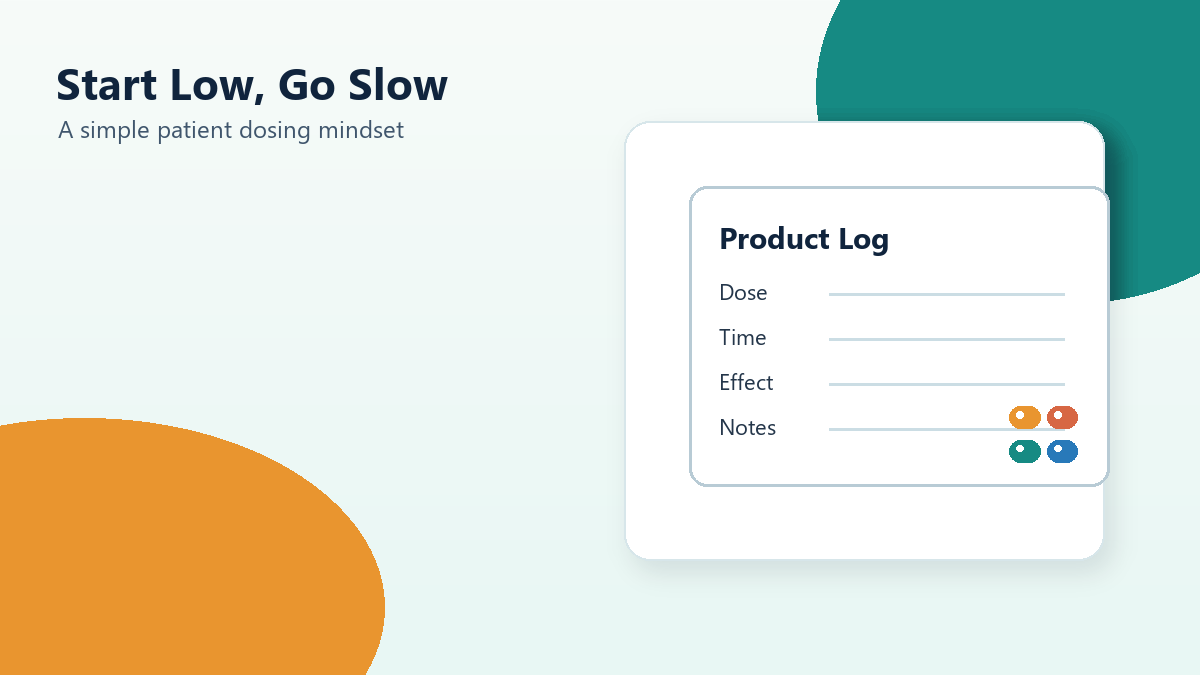
Start Low and Go Slow: Medical Marijuana Dosing Basics
Learn what start low and go slow means for Florida medical marijuana patients, especially with edibles, vapes, flower, and concentrates.