
Indica, Sativa, and Hybrid Explained
Learn what indica, sativa, and hybrid labels mean, why they are imperfect, and what Florida medical marijuana patients should compare instead.
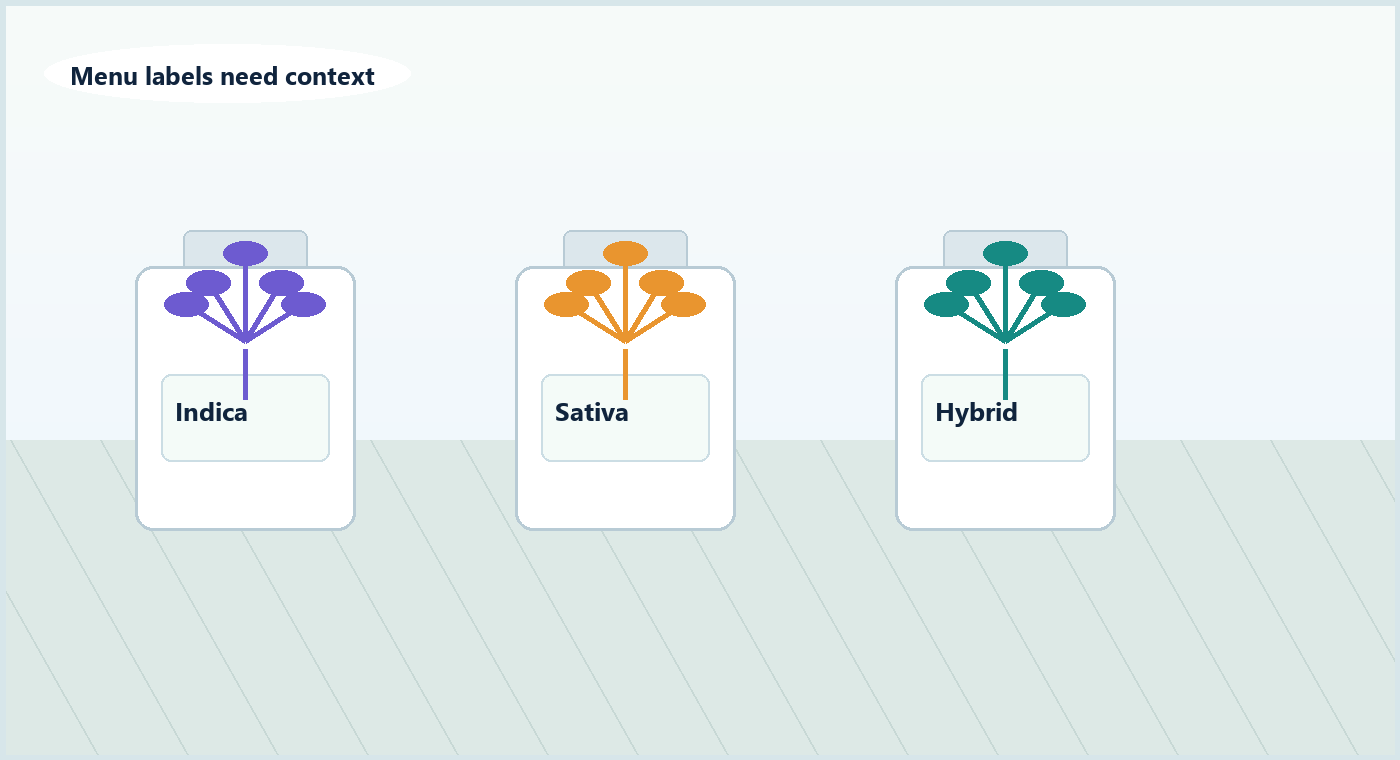
Better Than the Label Alone
Indica, sativa, and hybrid can organize a menu, but these details usually explain more.
Short Answer
Indica, sativa, and hybrid are common dispensary labels, but they are not perfect predictions of how a product will feel. They can be useful shorthand, but effects depend more on cannabinoids, terpenes, dose, route, tolerance, and the individual patient.
What People Usually Mean
In everyday dispensary language:
- Indica is often used for relaxing or nighttime-leaning products.
- Sativa is often used for energizing or daytime-leaning products.
- Hybrid is used for products described as somewhere in between.
These labels can help organize a menu, but they should not be treated like medical guarantees.
Why the Labels Are Limited
Modern cannabis strains are heavily crossbred. A product labeled sativa may still feel calming to one person, and an indica may feel mentally active to another.
Batch differences also matter. The same strain name from different growers, harvests, or dispensaries may have different cannabinoid and terpene results.
Three Menu Examples
Example 1: "Indica" flower with 28 percent THC and high myrcene.
The menu may describe it as relaxing or nighttime. For a low-tolerance patient, the most important detail may not be "indica." It may be that 28 percent THC is strong and should be approached carefully.
Example 2: "Sativa" flower with 17 percent THC, limonene, and pinene.
The menu may describe it as daytime or uplifting. A patient who is sensitive to THC may still feel anxious if the dose is too high.
Example 3: "Hybrid" vape with 75 percent THC.
The word hybrid can sound moderate, but the route and potency matter. A high-THC vape can feel stronger and faster than a lower-THC flower product.
What to Compare Instead
Florida patients should compare:
- THC percentage or milligrams.
- CBD amount.
- Minor cannabinoids such as CBG, CBN, and CBC.
- Terpene profile.
- Product route.
- Dose.
- Lab report or certificate of analysis.
- Personal response over time.
Terpenes Matter
Terpenes are aromatic compounds that help shape smell and may influence the overall experience. Myrcene, limonene, pinene, linalool, and caryophyllene are common examples.
A terpene profile does not guarantee an effect, but it can be more useful than the indica/sativa label alone.
Dose Still Wins
A high-THC "indica" may feel intense or anxious for some patients. A lower-dose "sativa" may feel manageable. The category label does not override dose.
How to Use These Labels Wisely
Use indica, sativa, and hybrid as a starting point. Then write down the product name, dose, route, THC/CBD amount, terpene notes, and how it affected you.
Over time, your own notes are usually more useful than broad strain categories.
A Better Question to Ask
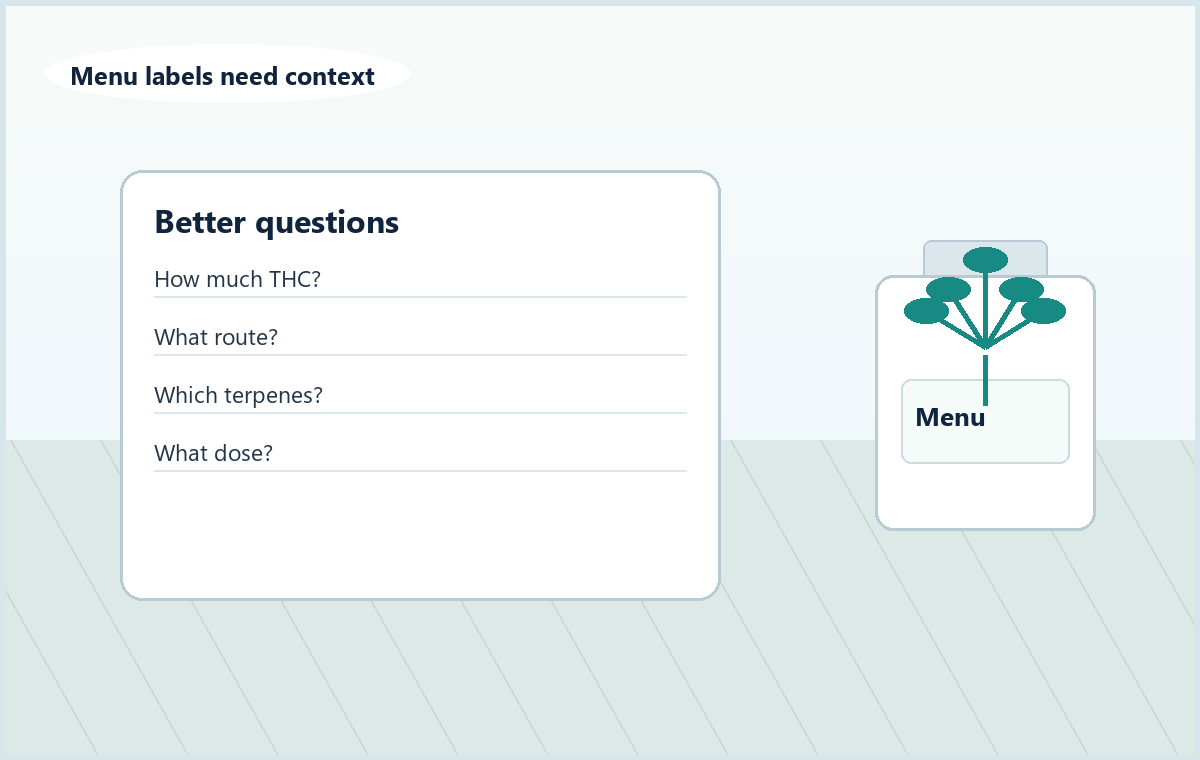
Instead of asking only "Is this indica or sativa?" ask:
- How much THC is in one dose?
- Is there CBD in it?
- What are the dominant terpenes?
- Is this flower, vape, edible, tincture, or concentrate?
- Is this a good fit for morning, afternoon, or evening based on my tolerance?
Bottom Line
Indica, sativa, and hybrid labels can help you browse, but they are not the whole story. For medical use, compare the product details and your own response.
Source Note
Sources include CDC cannabis education, NCCIH cannabis and cannabinoid information, and FDA cannabis-derived product guidance.
https://www.cdc.gov/cannabis/about/index.html
https://www.nccih.nih.gov/health/cannabis-marijuana-and-cannabinoids-what-you-need-to-know
Helpful Next Steps
Move from this guide into practical Florida directory pages, doctor pages, and related patient resources.
Related Guides
Keep comparing Florida medical marijuana, hemp, product safety, and patient access topics.
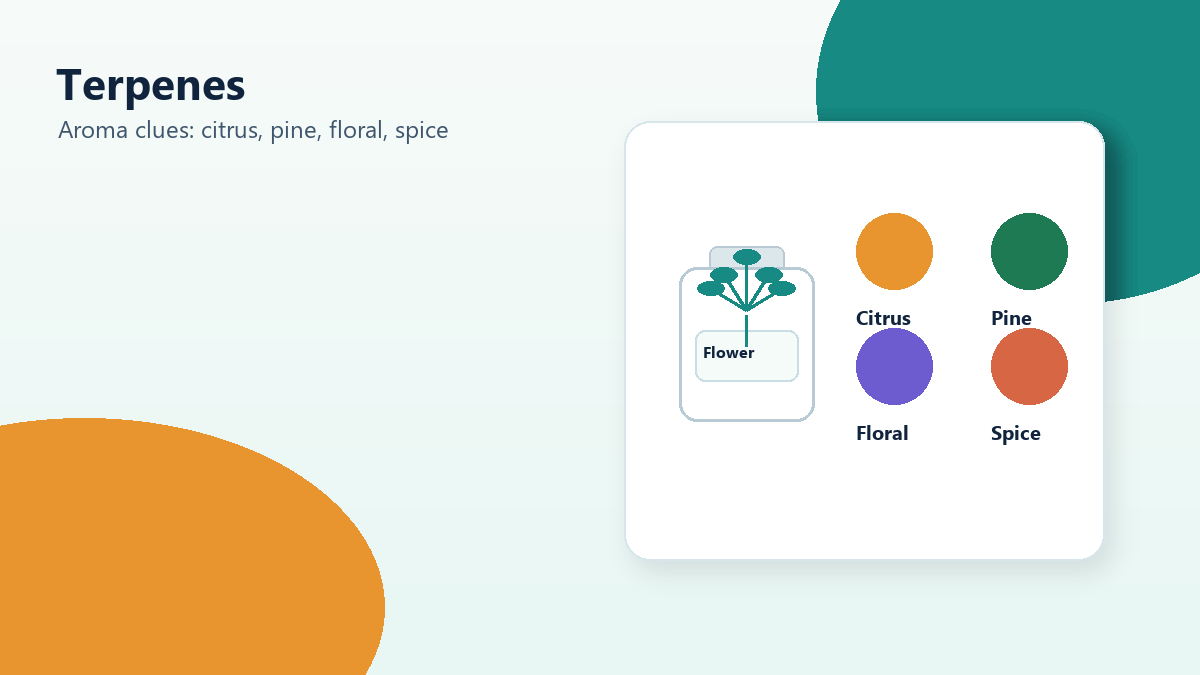
Cannabis Terpenes and the Entourage Effect: What Evidence Shows
Can terpenes predict how cannabis feels? Review the entourage-effect evidence and learn how Florida patients can compare labels, batches, and claims.
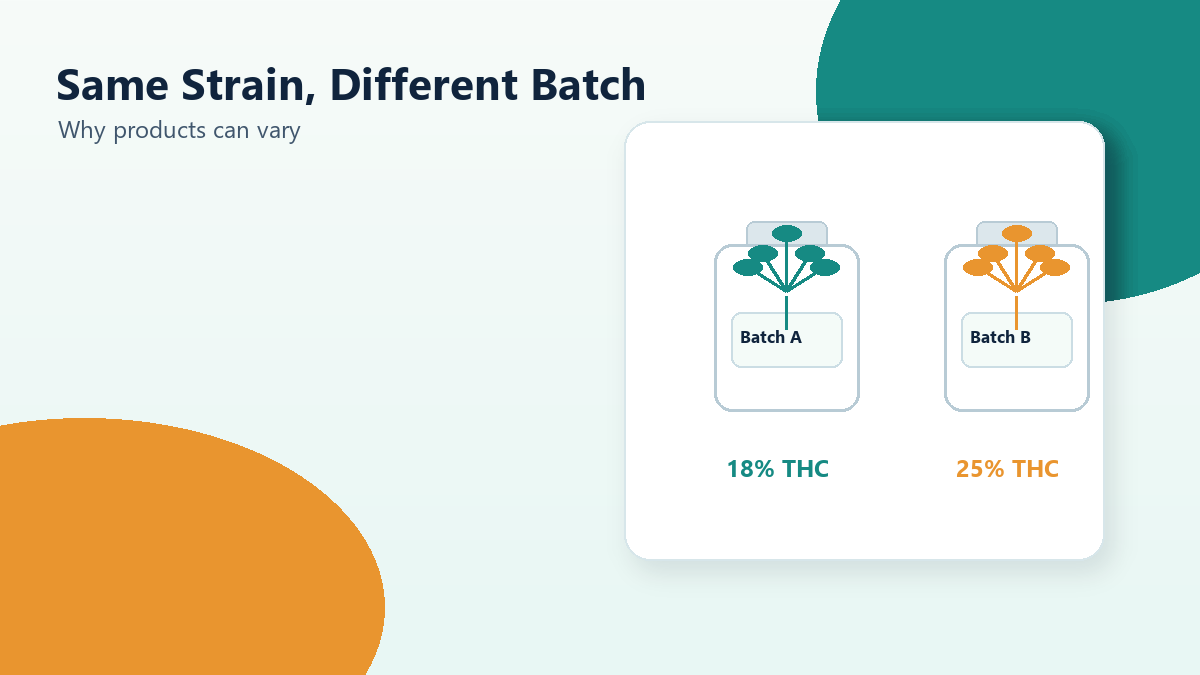
Why Does the Same Cannabis Strain Feel Different?
Same strain, different effects? Compare batch, label, COA, THC/CBD, product route, dose, storage, and your response before buying it again.
What Makes Marijuana Stronger or Weaker?
Learn why marijuana potency depends on THC, dose, route, tolerance, concentrates, terpenes, freshness, and individual patient response.